High-Volume Pour Management Strategies: Concrete Tools and Workflow Tips for Crews
When a large commercial or multi-residential pour goes wrong, it can shut down an entire project. Equipment failures, slow workflows, and poor tool selection cost crews time and money that is hard to recover on a tight schedule. Understanding how to manage high-volume pours from start to finish is one of the most valuable skills a concrete contractor can develop. The right concrete tools make the difference between a pour that finishes on time and one that turns into a costly delay.
Why High-Volume Pour Management Matters on Commercial Jobsites
Concrete activities impact the entire project schedule, so ensuring that each pour is on schedule is a high priority. On commercial builds like warehouse slabs, parking structures, and multi-residential foundations, one failed pour can push back every trade that follows. The stakes are simply too high to leave anything to chance.
In the fast-paced environment of commercial construction, mistakes during concrete pouring can be costly and challenging to remedy. One of the most common errors is miscalculating the volume of concrete needed, leading to either shortages or excessive unused material that bogs down productivity. Getting volume calculations right before the trucks arrive is a non-negotiable part of pre-pour planning.
Planning Ahead Is the Foundation of Every Successful Pour
The process starts with an internal meeting between the superintendent and the finishing foreman. They review floor finish requirements, equipment required, pour date, and manpower needs. For larger pours, this meeting occurs 14 days out, then is repeated seven days out.
A good concrete pour management plan allows project managers to optimize the sequencing of pours. This minimizes downtime and maximizes productivity. When crews know the order of operations in advance, there is no confusion at the start of pour day.
Essential Concrete Tools for Large-Scale Pours
Having the right concrete tools on hand before the pour starts is critical. Running short on a key tool mid-pour is not an option on a commercial jobsite. Here are the categories of concrete tools that crews working high-volume pours rely on to stay efficient and on schedule.
Concrete Vibrators
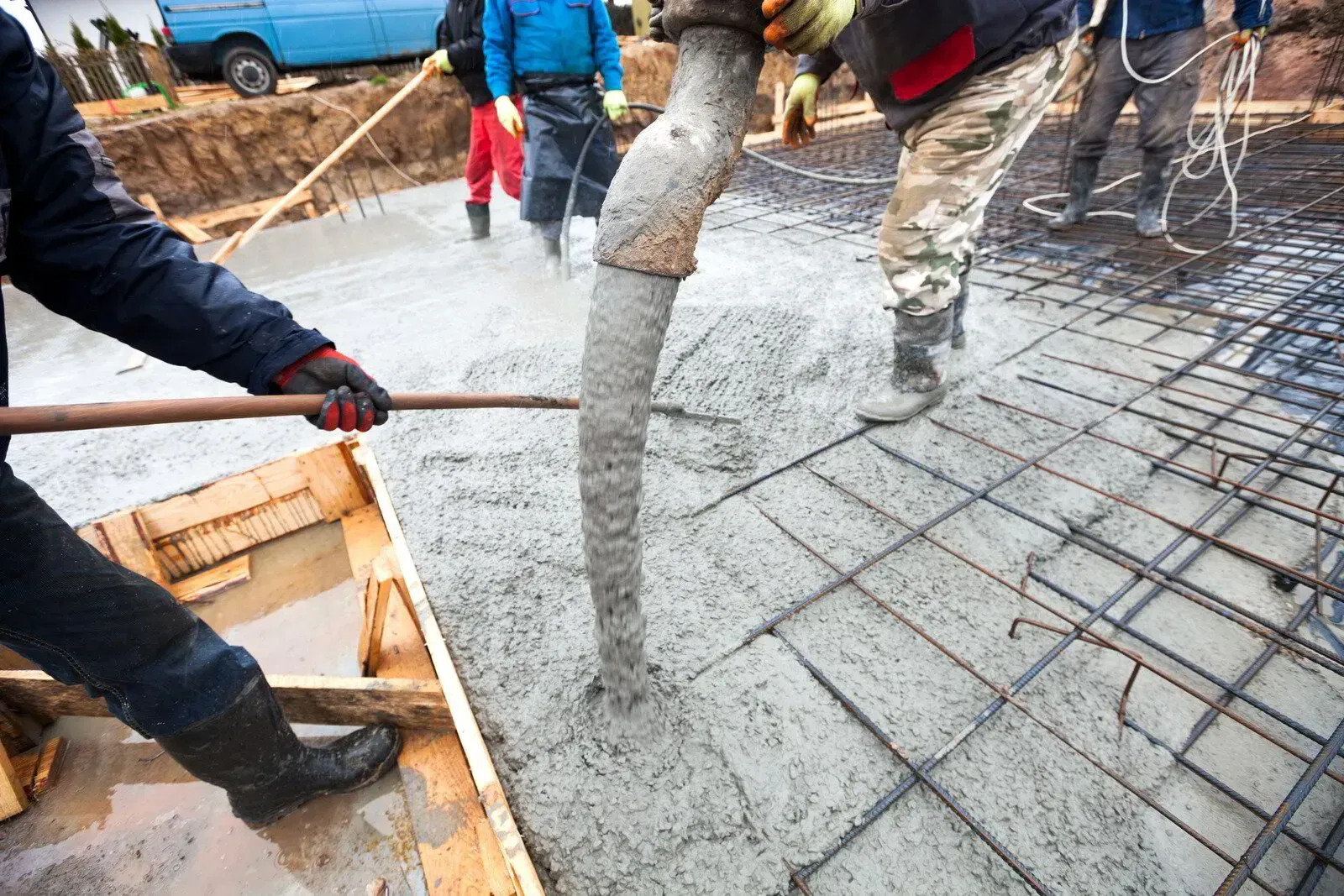
Vibrators are used to settle and compact concrete during pours or as concrete is being finished. The goal is to shake the wet concrete and eliminate air pockets so that the slab or foundation becomes more solid.
Internal vibrators, often used for large pours, are inserted into the wet concrete to agitate and consolidate it. External vibrators are applied to the formwork or mold to achieve similar results. On big commercial slabs, using the right vibrator type for the pour depth and form design prevents voids that can compromise structural integrity.
Power Screeds
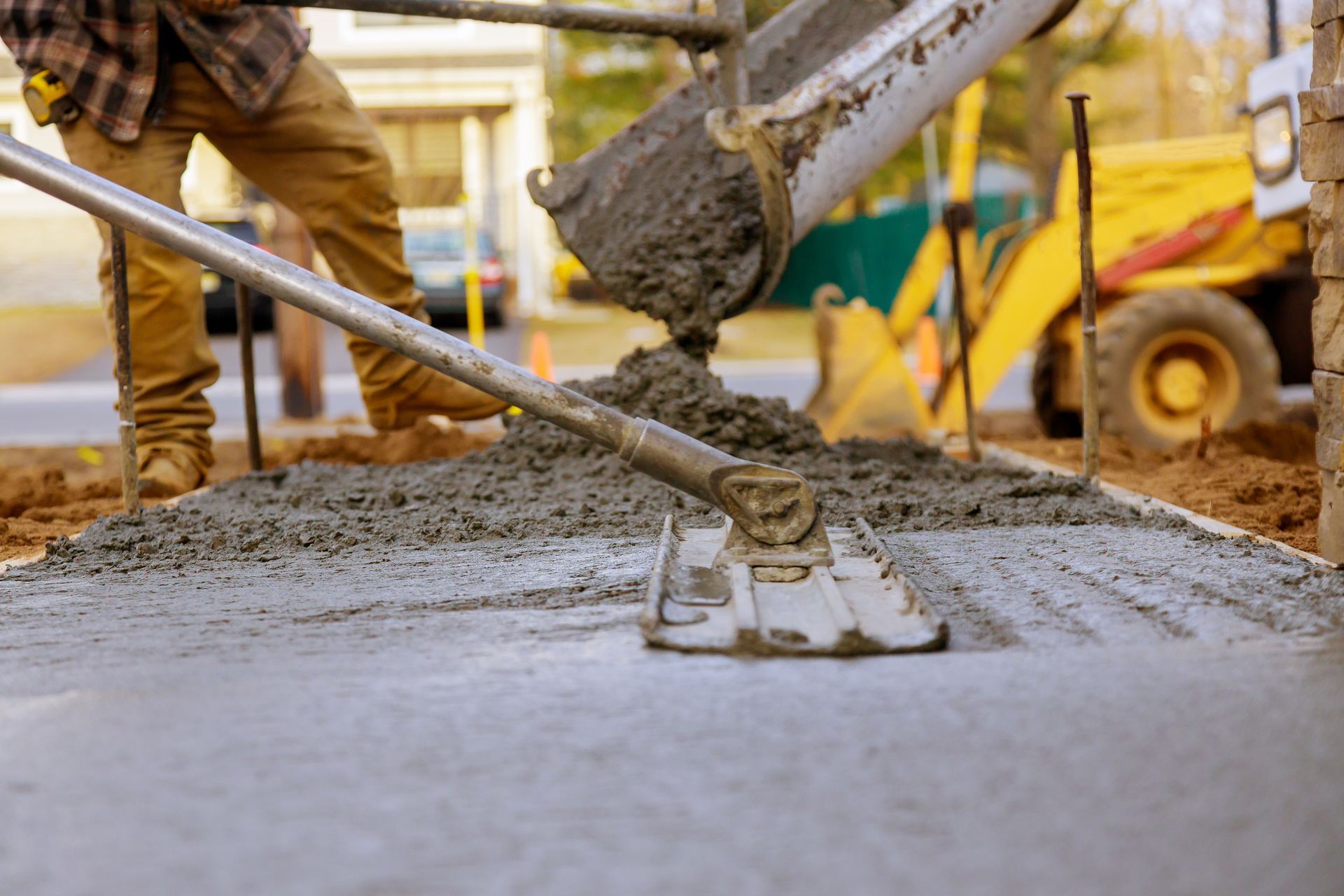
Vibrating screeds, also called surface vibrators, are applied to the top surface of the concrete to consolidate from the top down while removing excess concrete. Screeding fills the form evenly or brings the surface to grade and prepares the surface for final finishing.
Walk-Behind Trowels
For very large surfaces, walk-behind trowels are becoming highly popular. These machines cover ground quickly and produce a consistent finish that is hard to match with hand troweling alone. Walk-behind trowels are a standard part of the commercial finisher's toolkit on any large flatwork job.
Form Release Agents and Curing Compounds
Beyond the finishing tools, large pours also depend on specialty chemical products. Form release agents allow forms to strip cleanly without damaging concrete edges. Curing compounds seal in moisture after the pour, helping the slab reach its design strength.
Workflow Logistics for Large Pours in the Treasure Valley
The Treasure Valley is growing fast. Meridian, ID, and the surrounding region are seeing a surge in commercial and multi-residential construction. That means more large pours, tighter schedules, and less room for error on jobsites across the area.
A comprehensive approach starts with thorough site preparation and proper base construction. Skilled teams use advanced equipment and premium mixes specifically chosen for the region's climate extremes. Focusing on grading, drainage planning, and finishing work ensures new concrete surfaces perform effectively through hot summers and harsh winters.
Managing Truck Flow and Timing
On the day of the pour, the concrete superintendent is responsible for staging trucks and avoiding bottlenecks while unloading and washing out and making sure all trucks are cycling back to the plant in a timely manner. Delays in truck cycling can cause cold joints in the slab, which weaken the structure and may not meet spec.
Using coordinated teamwork during the pouring process enhances efficiency and the quality of results. Assigning specific roles to team members, such as those handling concrete, operating equipment, and managing the overall process, facilitates smoother operations.
Pour Direction Strategy
Ideally, the pour should begin at the furthest point from the exit, working methodically in a manner that minimizes backtracking. This technique prevents disturbance to already laid concrete and maintains an organized workflow.
Starting from the back of the pour area and working toward the exit also keeps truck traffic from rolling over fresh concrete. This simple strategy is easy to plan in advance but easy to overlook under the pressure of a pour-day start.
Keeping Inventory Ready Before the Pour Starts
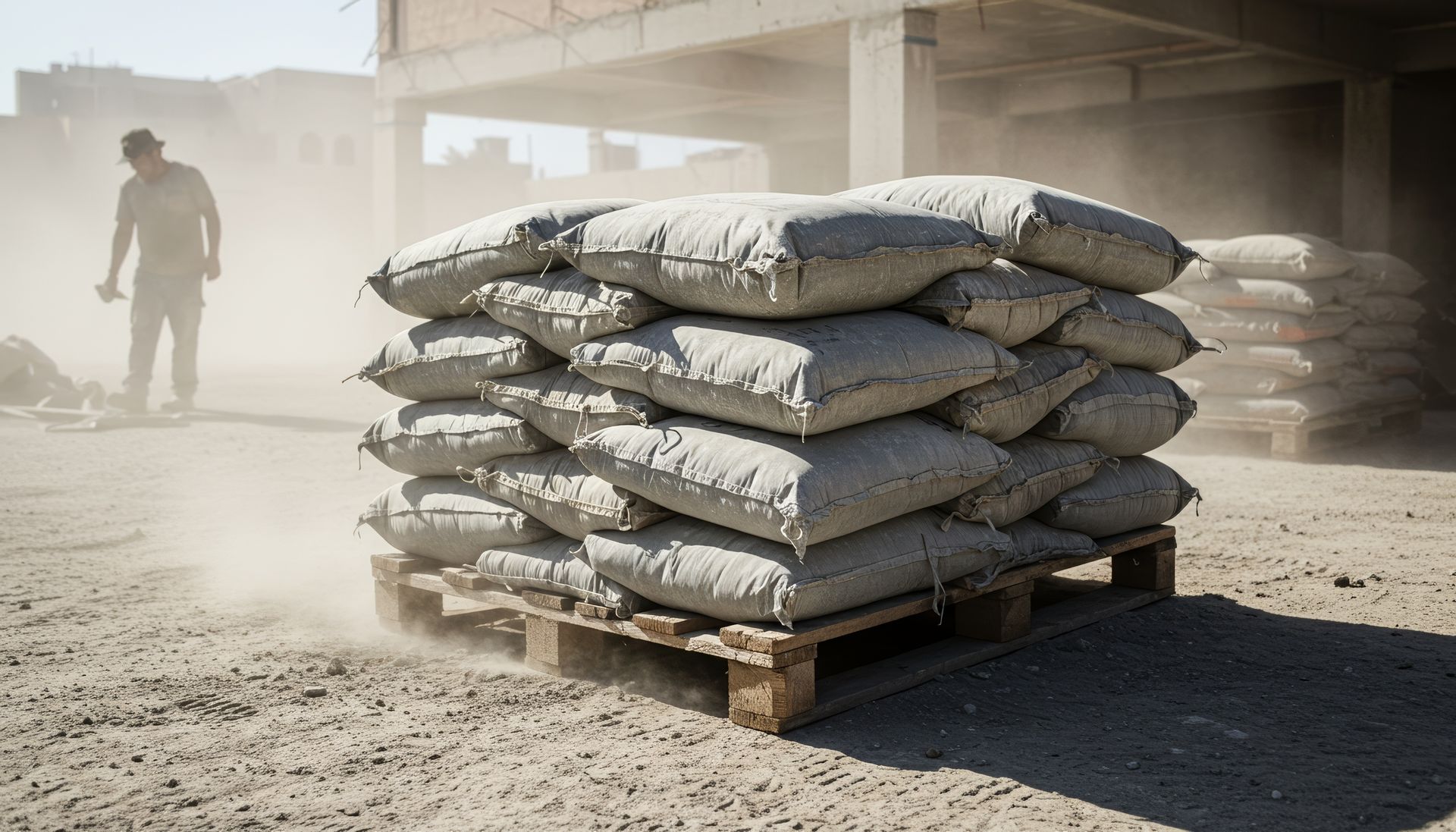
One of the biggest risks on a high-volume pour is running out of a critical supply mid-job. Tracking the availability and usage of mixtures, aggregates, additives, and other materials required for pouring is essential. With accurate monitoring of inventory, you can prevent shortages or excessive ordering, which reduces waste and costs.
The same applies to concrete tools. A vibrator that goes down during a large pour without a backup available can turn a smooth operation into a serious problem. Crews should verify that all concrete tools are in working condition before pour day and that backup equipment is accessible if something fails.
Quality Control During and After the Pour
Implementing lean construction principles, creating pull plans and three-week look-aheads, and using technology as a QA/QC tool lead to successful concrete pours, which ultimately prevent costly schedule delays and rework.
After the pour, quality control continues. The proactive implementation of mitigation strategies against common defects like honeycombing, cold joints, and excessive bleeding is what ultimately separates a standard pour from a structurally exceptional one.
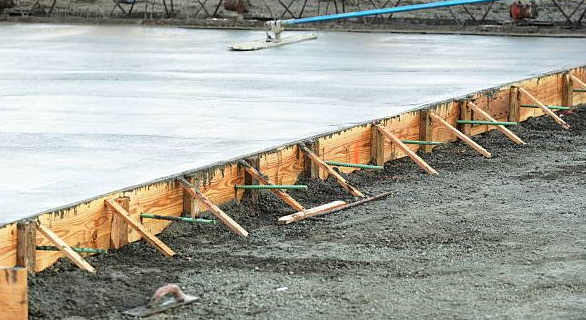
Form inspection during the pour is equally important. Carpenters should watch forms to avoid bowing or blow-outs and install necessary cold joints. Catching a form problem early is far less costly than dealing with a blowout mid-pour.
Get Your Crew Ready for the Next High-Volume Pour
If your crew is preparing for a large commercial or multi-residential pour in the Treasure Valley and needs professional-grade supplies and responsive support,
Conmas Construction Supply is the local partner built for that kind of work. Serving Meridian, ID, Conmas Construction Supply specializes in concrete forming, finishing, repairing, and sealing supplies, along with the concrete tools professional contractors need to deliver high-quality results on demanding schedules. The team brings deep product knowledge and consistent inventory so crews are never left short on pour day.
Contact us today to talk through your project needs and make sure your next high-volume pour has everything it needs to go smoothly.